
A practical, 8-step guide to turning chaotic revision into organized success.

Revision often feels overwhelming for students. There is so much to cover, limited time, and constant pressure to perform well. Parents want to help, but are often unsure whether their child is revising effectively or simply spending long hours without real progress.
This is where a clear revision checklist makes a difference.
Successful revision is not about doing everything at once. It is about doing the right things in the right order. A structured approach helps students stay organised, reduce anxiety, and revise with purpose.
Below is a practical revision checklist students can use to prepare confidently for exams.
1. Know What You Are Revising For
Before revision begins, students must understand:
- Which exams they are sitting
- The subjects and topics involved
- The exam formats and timings
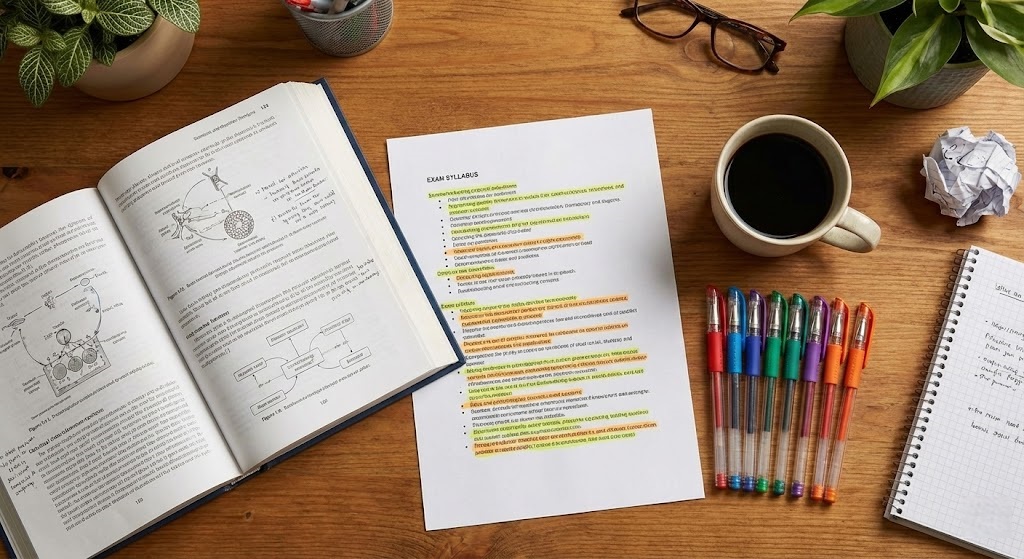
Revision without clarity leads to wasted effort. Students should review their exam specifications and identify exactly what is required.
Parents can support this step by helping students organise syllabuses and deadlines.
2. Identify Strengths and Weaknesses
Not all topics need equal attention.
A common mistake is revising what feels comfortable instead of what needs improvement. Effective revision starts with honesty.
Students should:
- List topics they understand well
- Identify topics they find difficult
- Prioritise weaker areas first
This approach ensures revision time is spent where it matters most.
3. Create a Realistic Revision Timetable
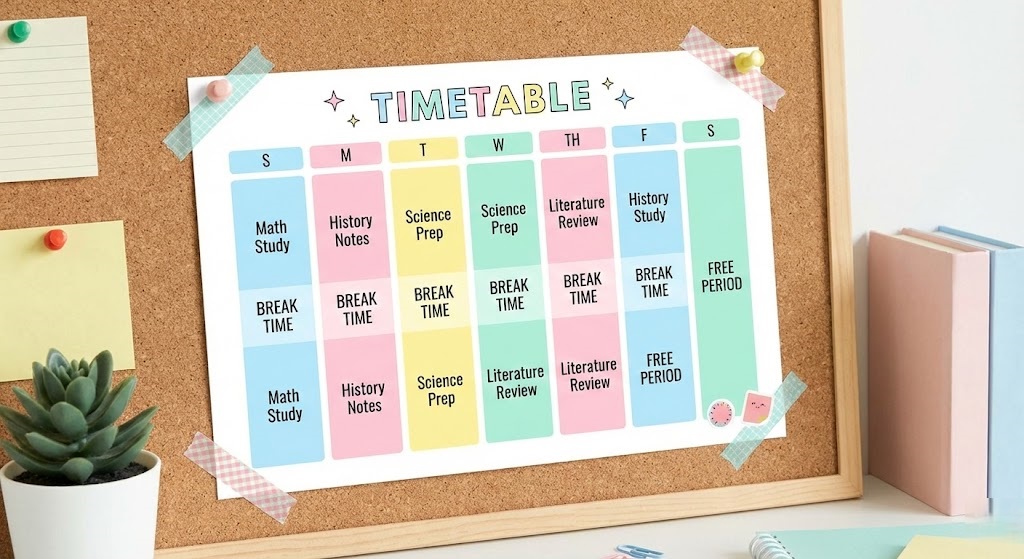
A revision timetable should support consistency, not cause stress.
An effective timetable:
- Is realistic and flexible
- Includes breaks and rest
- Focuses on short, focused sessions
- Balances multiple subjects
Overloading a timetable often leads to burnout. It is better to revise a little each day than attempt everything at once.
4. Use Active Revision Methods
Revision is most effective when students actively engage with the material.
Active revision methods include:
- Practice questions
- Flashcards
- Explaining topics aloud
- Past exam papers
Passive methods like re-reading notes may feel productive, but they rarely improve recall or exam performance.
5. Practise Under Exam Conditions
Understanding content is important, but exam performance also depends on technique.
Students should practise:
- Timing themselves
- Answering full exam questions
- Working without notes
- Managing exam pressure
This builds familiarity and reduces anxiety on exam day.

6. Review Mistakes Properly
Mistakes are one of the most valuable revision tools.
Instead of moving on quickly, students should:
- Understand the correct approach
- Analyse why an answer was wrong
- Practise similar questions correctly
Progress happens when mistakes are corrected, not ignored.
7. Balance Revision With Rest
Revision without rest is ineffective.
Sleep, nutrition, and breaks all play a role in learning and memory. Tired students struggle to focus, retain information, and manage stress.
A balanced routine supports both wellbeing and performance.

8. Do a Final Review Before Exams
In the final days before exams, revision should focus on:
- Key concepts
- Common mistakes
- Confidence building
This is not the time to learn completely new topics. It is about reinforcing what is already known.
Final Thoughts
Revision does not need to feel chaotic or overwhelming.
With a clear checklist, students can revise with structure, confidence, and purpose. Parents can also feel reassured knowing their child is revising effectively.
At Royale Tutors, we help students build revision strategies that suit their learning style and academic goals.
Is Exam Revision Feeling Stressful? If exam prep feels unstructured, personalised guidance can help students focus, build confidence, and prepare effectively. Contact Royale Tutors today to build your custom revision strategy.
Leave a Reply