
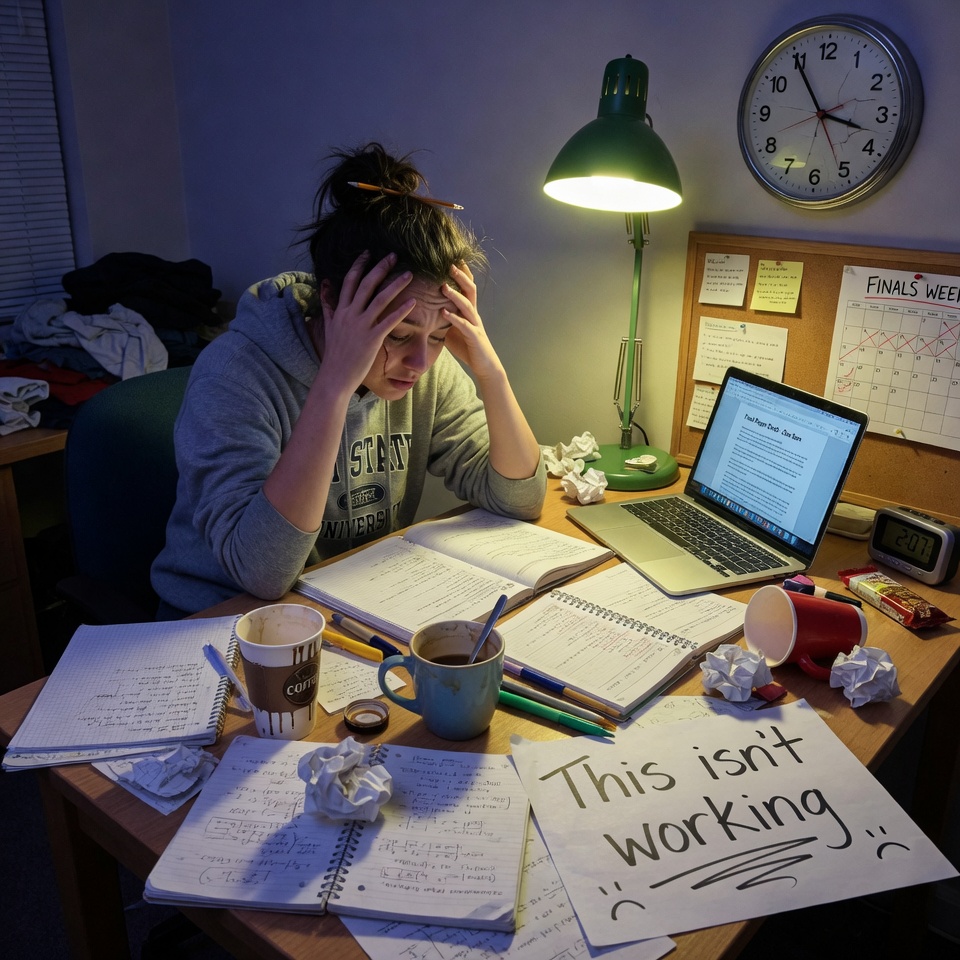
Introduction: The Last‑Minute Panic
It’s the night before the exam. Or maybe two nights before. You have a textbook open, a highlighter in your hand, and a rising sense of dread.
You’ve left it late. You know you should have started earlier. But here you are.
What do you do?
Most students panic‑revise the wrong way. They read. They highlight. They stare at notes until their eyes blur. And then they walk into the exam… and remember almost nothing.
Here’s the truth: Last‑minute revision won’t teach you everything. But done right, it can rescue marks – and even boost your grade.
This guide shares 5 science‑backed strategies for last‑minute revision that actually work.
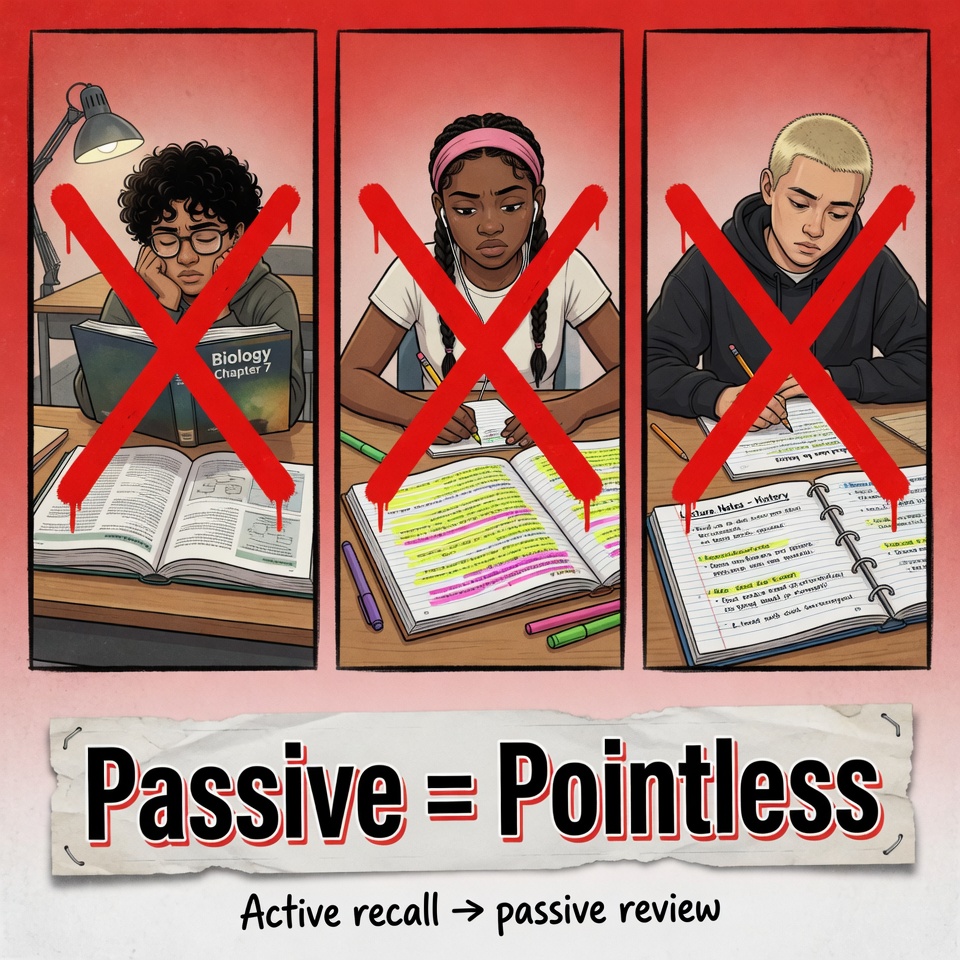
What to Stop Doing Immediately
Stop reading your textbook. It’s passive. Your brain doesn’t build strong memories from just looking.
Stop highlighting. It feels productive. It’s not. You’re just decorating.
Stop rewriting notes. Unless you’re testing yourself afterwards, you’re wasting time.
What to do instead: Active recall. Testing yourself. Past paper questions. Every single time.
What Actually Works: 5 Last‑Minute Strategies
1. Do One Past Paper – Timed
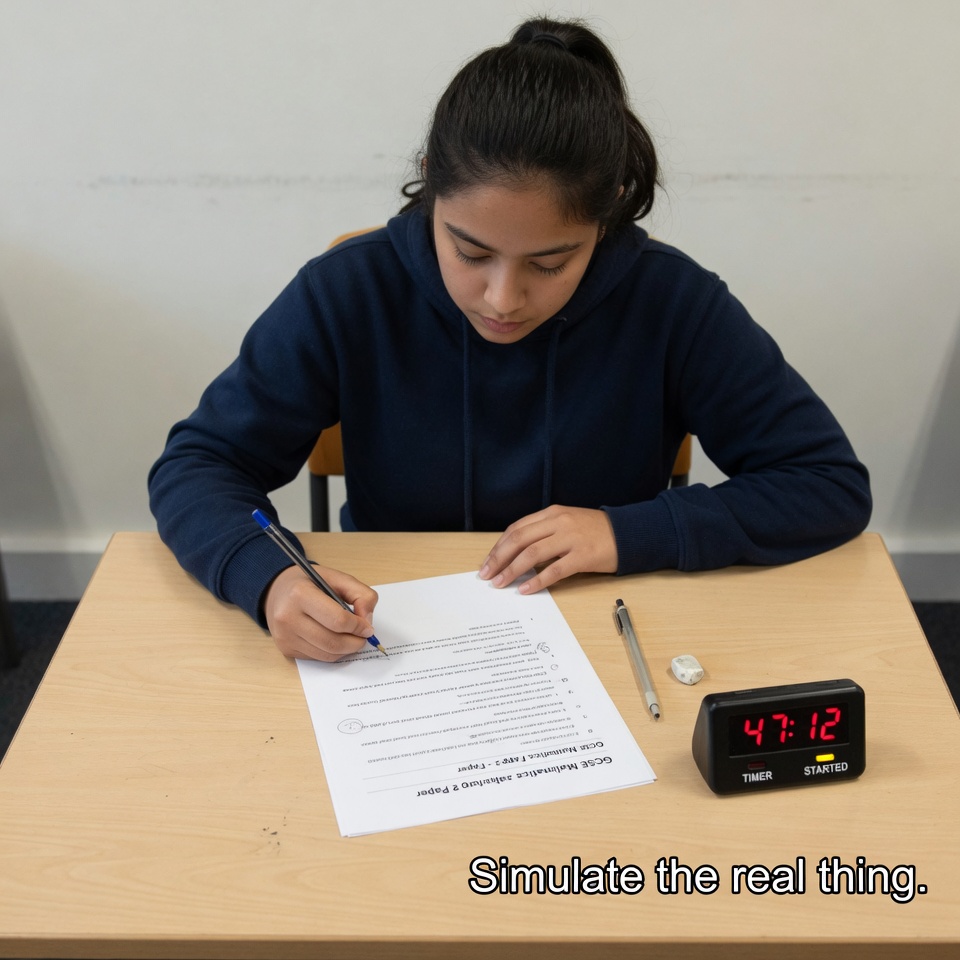
Not ten past papers. One.
Find a past paper for your subject. Set a timer for the real exam length. Sit in a quiet room. No notes. No phone.
Why this works: It shows you exactly what you don’t know. Every question you get wrong is a gift – it tells you where to focus your remaining time.
Even if you fail it, you’ll learn more than reading for three hours.
2. Use the Mark Scheme Like a Cheat Sheet
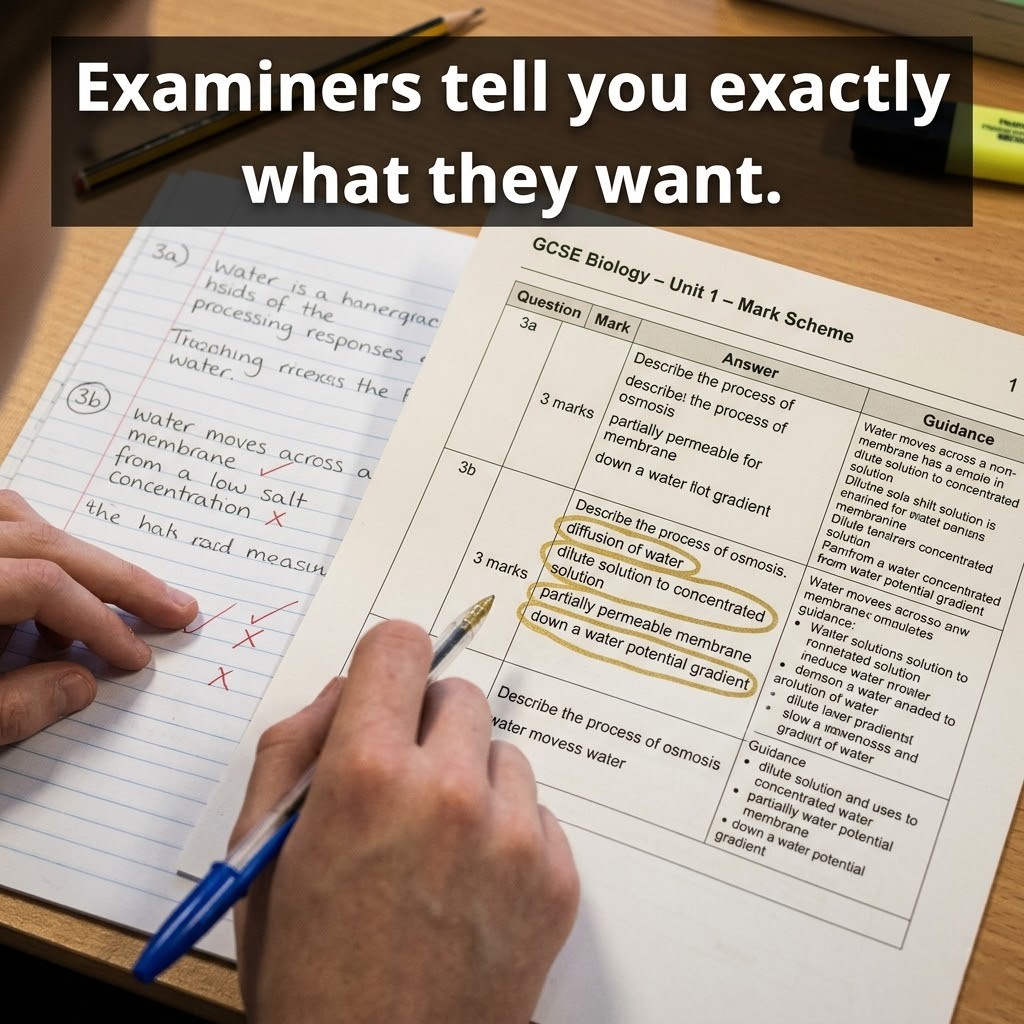
After you do a past paper (or even just look at one), read the mark scheme.
Mark schemes tell you exactly what examiners want to see. The keywords. The structure. The phrases that unlock marks.
Your last‑minute job: Memorise the keywords for the most common topics. Even if you don’t fully understand the topic, writing the right keywords can earn you marks.
3. Make a One‑Page Cheat Sheet (Then Throw It Away)
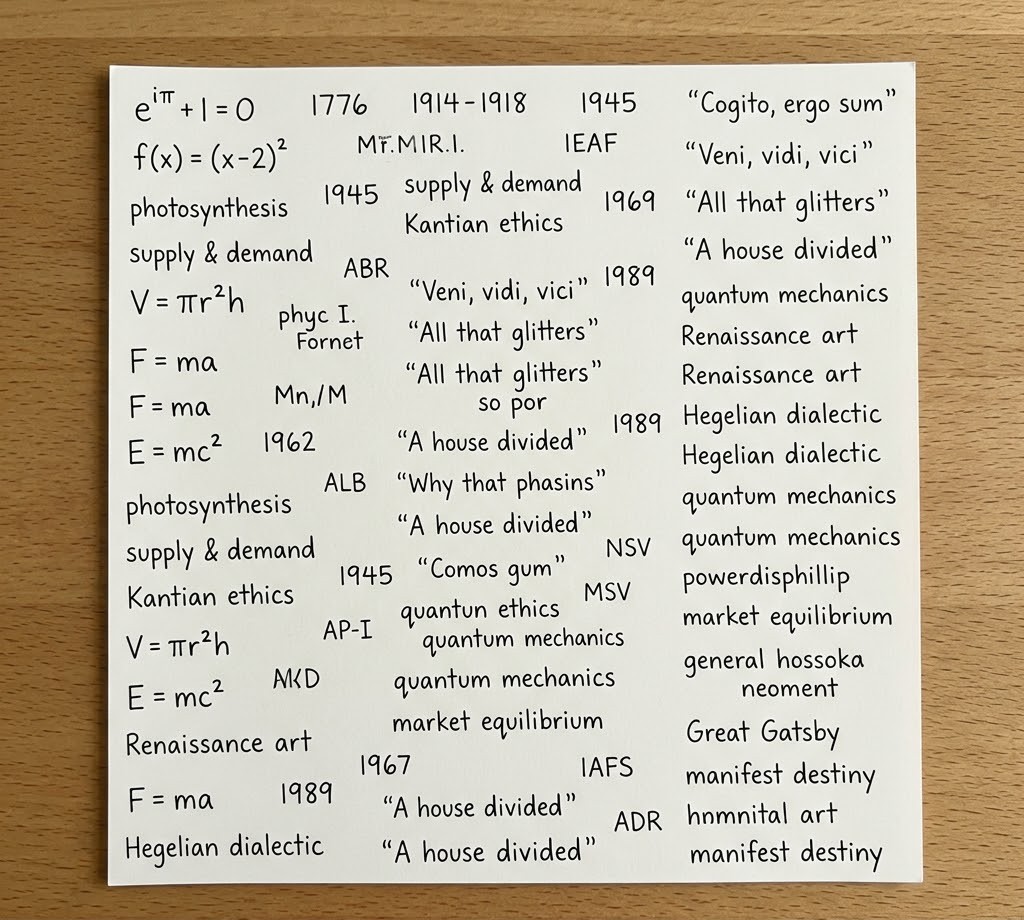
Take one blank page. Write down ONLY the most essential things:
- Key formulas (Maths, Science)
- Key dates (History)
- Key quotes (English)
- Key command words and their meanings
The rule: If it doesn’t fit on one page, it’s not essential.
Then: Try to rewrite the cheat sheet from memory. Then check what you missed. Then do it again. This is active recall at its most powerful.
4. Teach Someone Else (Even a Imaginary Someone)
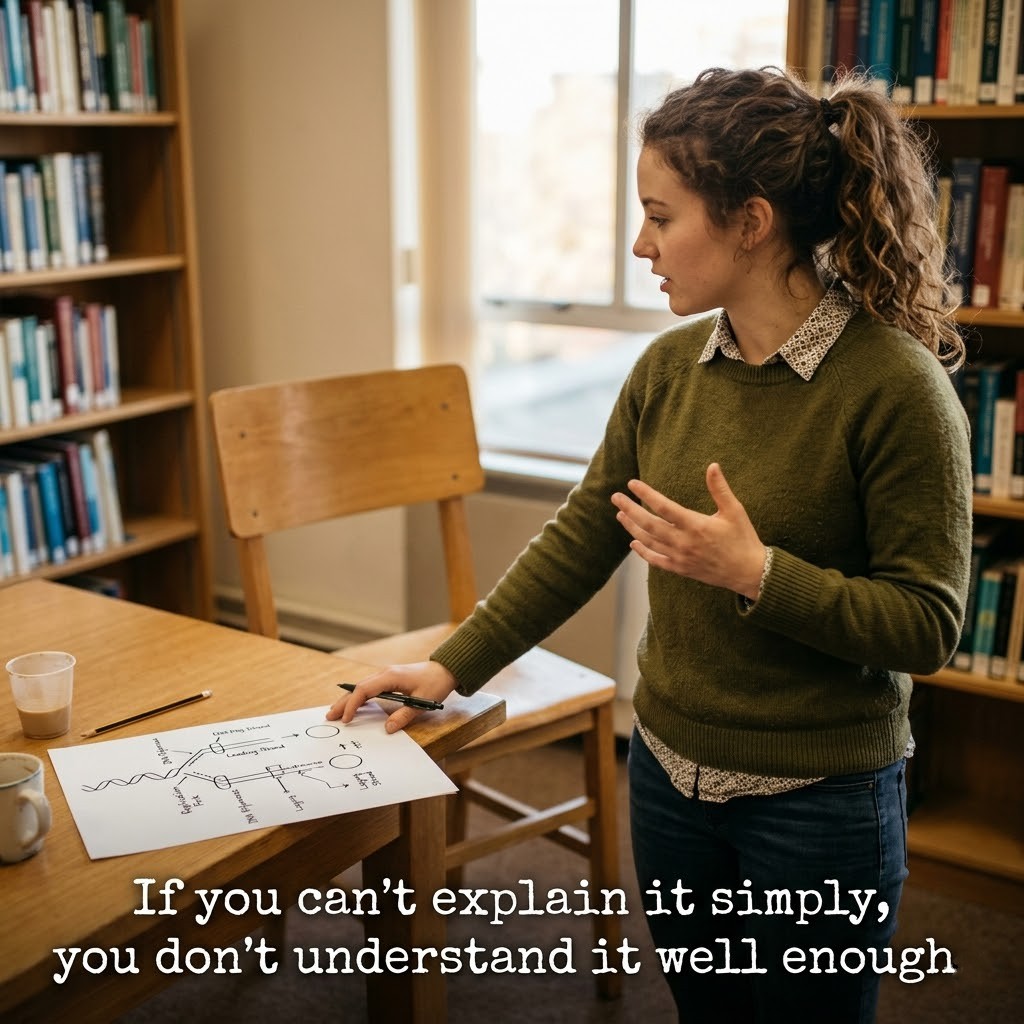
The best way to know if you understand something? Try to teach it.
Find a willing friend, a parent, or even just an empty chair. Explain a topic out loud as if you’re teaching it.
When you get stuck – that’s exactly what you need to revise.
When you can explain it clearly – you know it’s locked in.
5. Protect Your Sleep (Seriously)

This is the most underestimated revision strategy.
Your brain consolidates memories while you sleep. Pulling an all‑nighter means you’re actively preventing your brain from storing what you’ve learned.
The evidence: Students who sleep before an exam outperform those who stay up late, even if the sleepers studied less.
Last‑minute rule: Stop revising by 10pm. Get at least 7–8 hours of sleep. You’ll remember more.
The Last‑Minute Revision Checklist
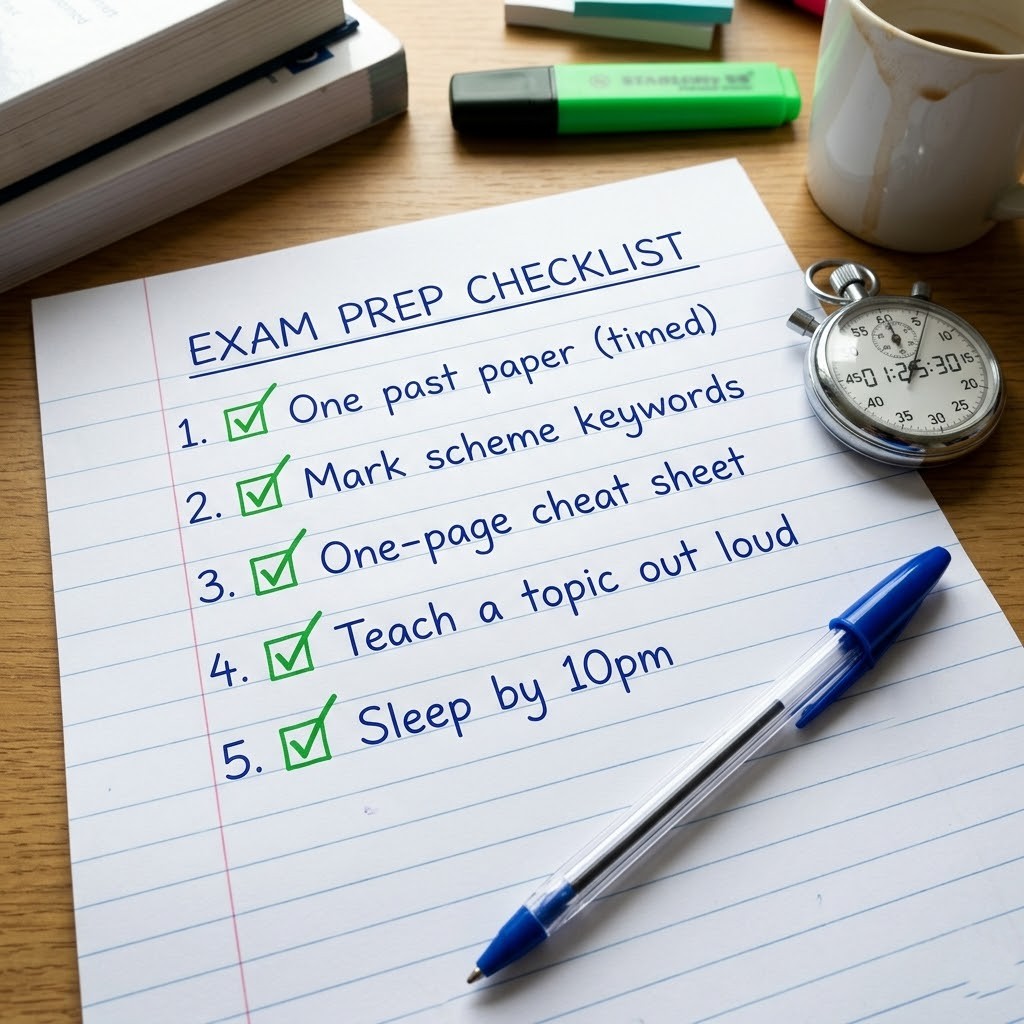
If you have 48 hours:
- Day 1: Do one past paper. Review mistakes. Make your one‑page cheat sheet.
- Day 2: Memorise the cheat sheet. Teach topics out loud. Sleep well.
If you have 24 hours:
- Skip the full past paper. Instead, look at a past paper and mark scheme together. Learn the keywords.
- Make your one‑page cheat sheet. Memorise it.
- Teach topics out loud. Sleep.
If you have 12 hours (the night before):
- No new content. Only review your one‑page cheat sheet.
- Teach topics out loud for 30 minutes.
- Stop by 9pm. Sleep.
What NOT to Do in Last‑Minute Revision
❌ Don’t start a new topic. You won’t learn it properly. Focus on what you partly know and can improve.
❌ Don’t read your textbook for hours. Passive reading is the least effective method.
❌ Don’t pull an all‑nighter. Sleep is more valuable than the last hour of panicked reading.
❌ Don’t compare yourself to others. Their revision plan doesn’t matter. Your focus does.
A Note to Parents

If your child is in last‑minute panic mode, here’s how you can help:
- Don’t lecture. They already know they should have started earlier.
- Help them create a one‑page cheat sheet – ask them what the most important things are.
- Be a practice audience – let them teach you a topic out loud.
- Protect their sleep – help them stop by 10pm.
- Make them a tea. Seriously. Kindness reduces stress. Stress impairs memory.
Conclusion: You Can’t Learn Everything. But You Can Rescue Marks.
Last‑minute revision won’t turn a Grade 4 into a Grade 9. But done right, it can:
- Turn a Grade 5 into a Grade 6
- Rescue 5–10 marks you would have lost
- Give you the confidence to walk in calm instead of panicked
Stop reading. Start doing.
One past paper. One cheat sheet. One topic taught out loud. Sleep.
That’s what actually works.
-
Panic‑Revising at 2am Won’t Save Your Grade. Here’s What Actually Works When Time Is Running Out.
Introduction: The Last‑Minute Panic It’s the night before the exam. Or maybe two nights before. You have a textbook open, a highlighter in your hand, and a rising sense of dread. You’ve left it late. You know you should have started earlier. But…
-
Title: You Knew the Topic. You Revised for Hours. So Why Did You Lose Marks? These 5 Mistakes Are the Reason.
Introduction: The Frustration of Lost Marks You walk out of the exam hall feeling good. You answered every question. You recognised the topics. You feel… relieved. Then the results arrive. The grade is lower than you expected. Lower than your mocks. What happened?…

Leave a Reply